China-U.S. Legal Summit Launches “Old San Francisco Lawyer” Action Plan
A high-level legal dialogue titled China-U.S. Legal Summit: Exchange on Trade and Investment Legal Services was held
China-U.S. Legal Summit Launches “Old San Francisco Lawyer” Action Plan
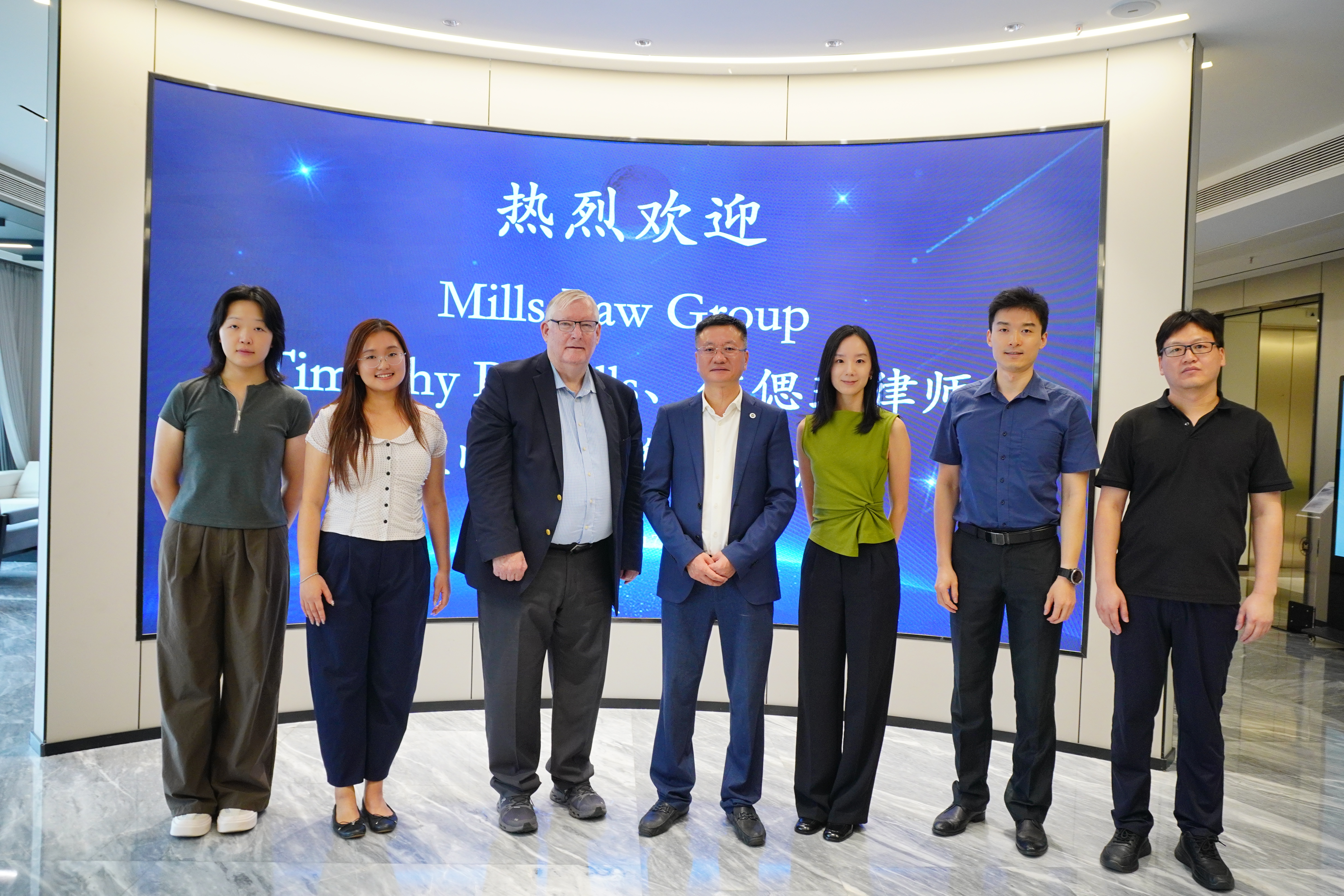
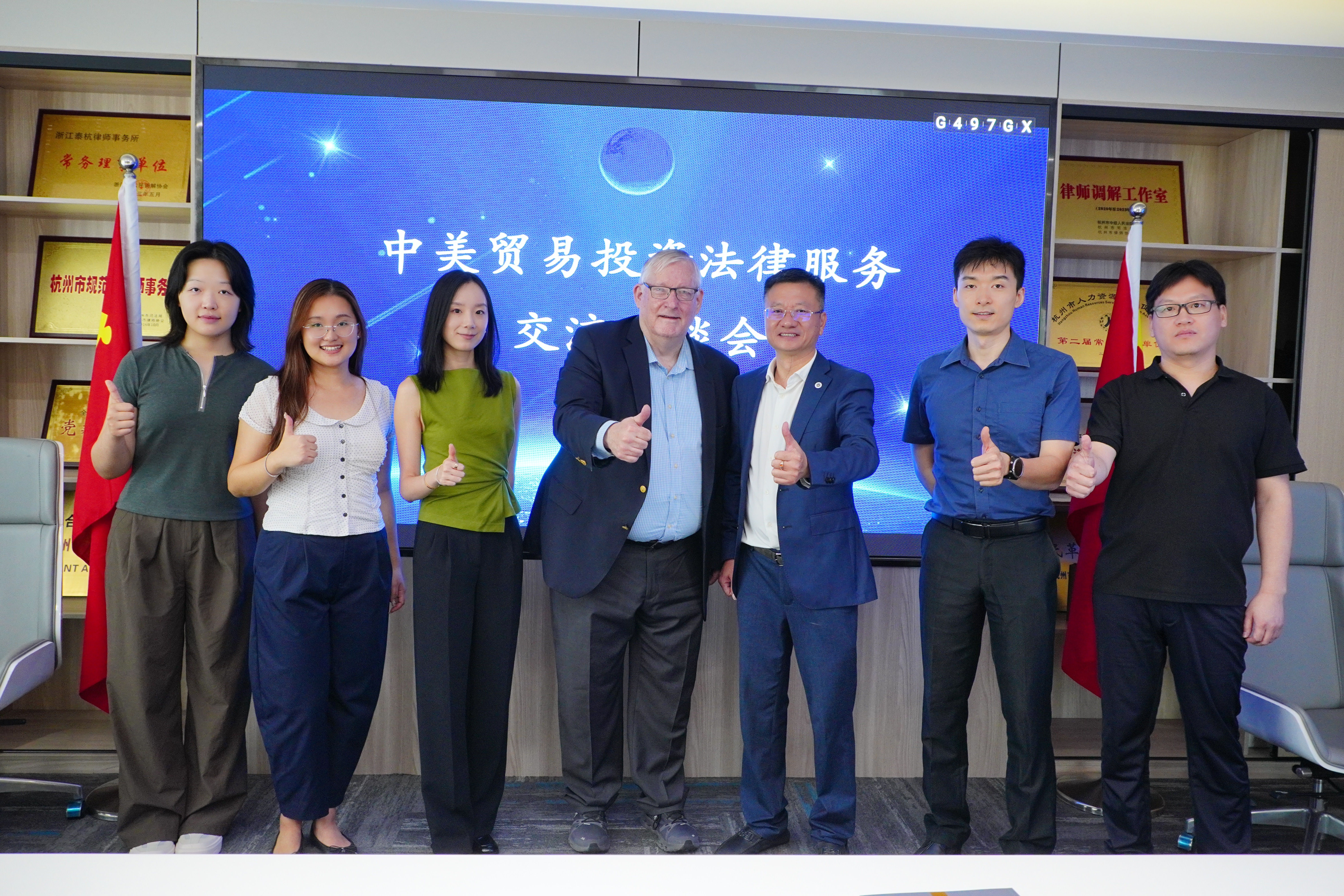
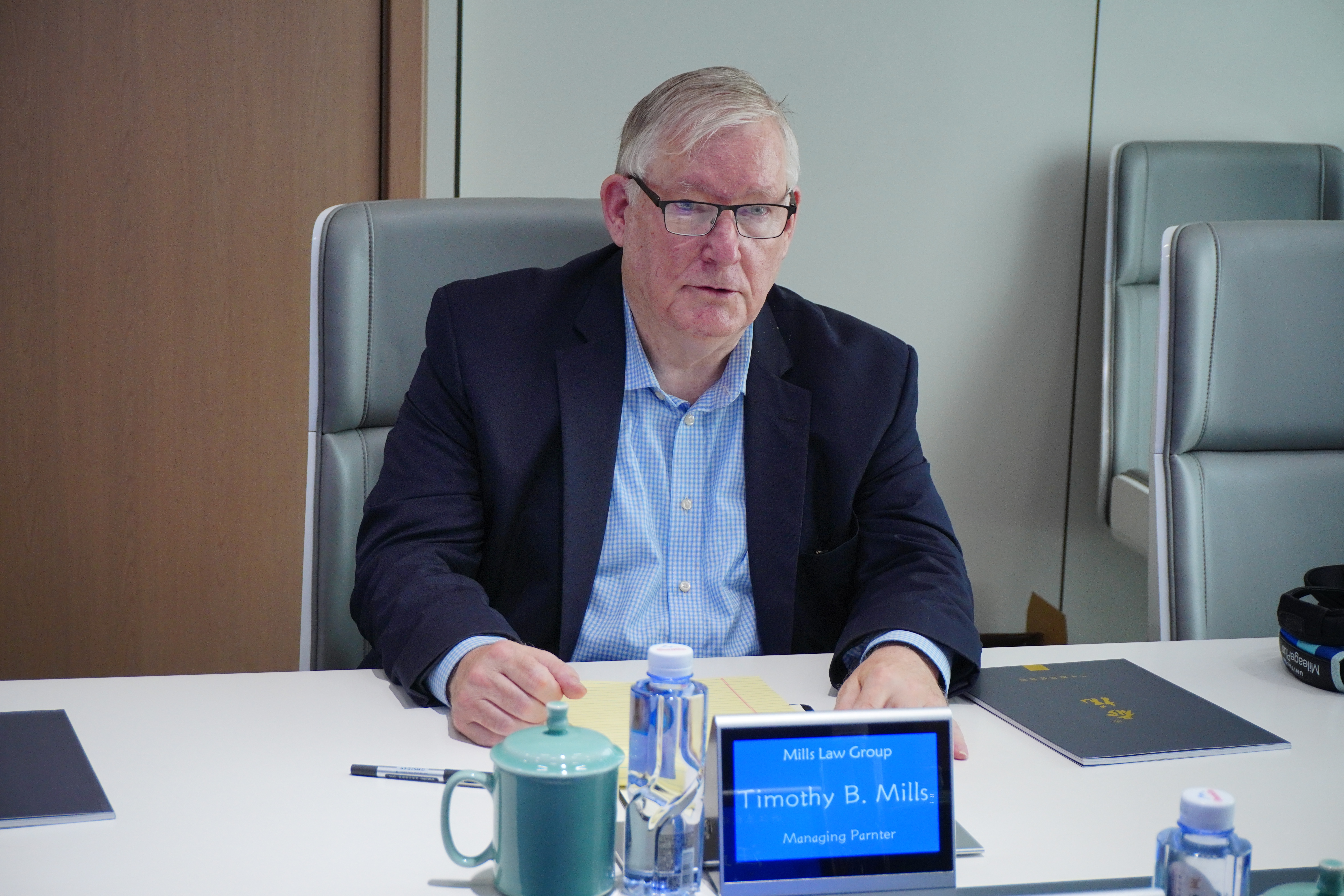
On the afternoon of July 7, 2026, a high-level legal dialogue titled China-U.S. Legal Summit: Exchange on Trade and Investment Legal Services was held at the headquarters of Zhejiang T&H Law Firm in Hangzhou’s Qianjiang New City. Dr. Timothy Mills, Managing Partner of Mills Law Group LLP (U.S.), and Dr. Wang Zheng, Director of Zhejiang T&H Law Firm, met in person for the first time in seven years and jointly announced the launch of the “Old San Francisco Lawyer” Action Plan – a collaborative initiative designed to provide comprehensive and expeditious legal services to Chinese companies facing economic disputes with the United States.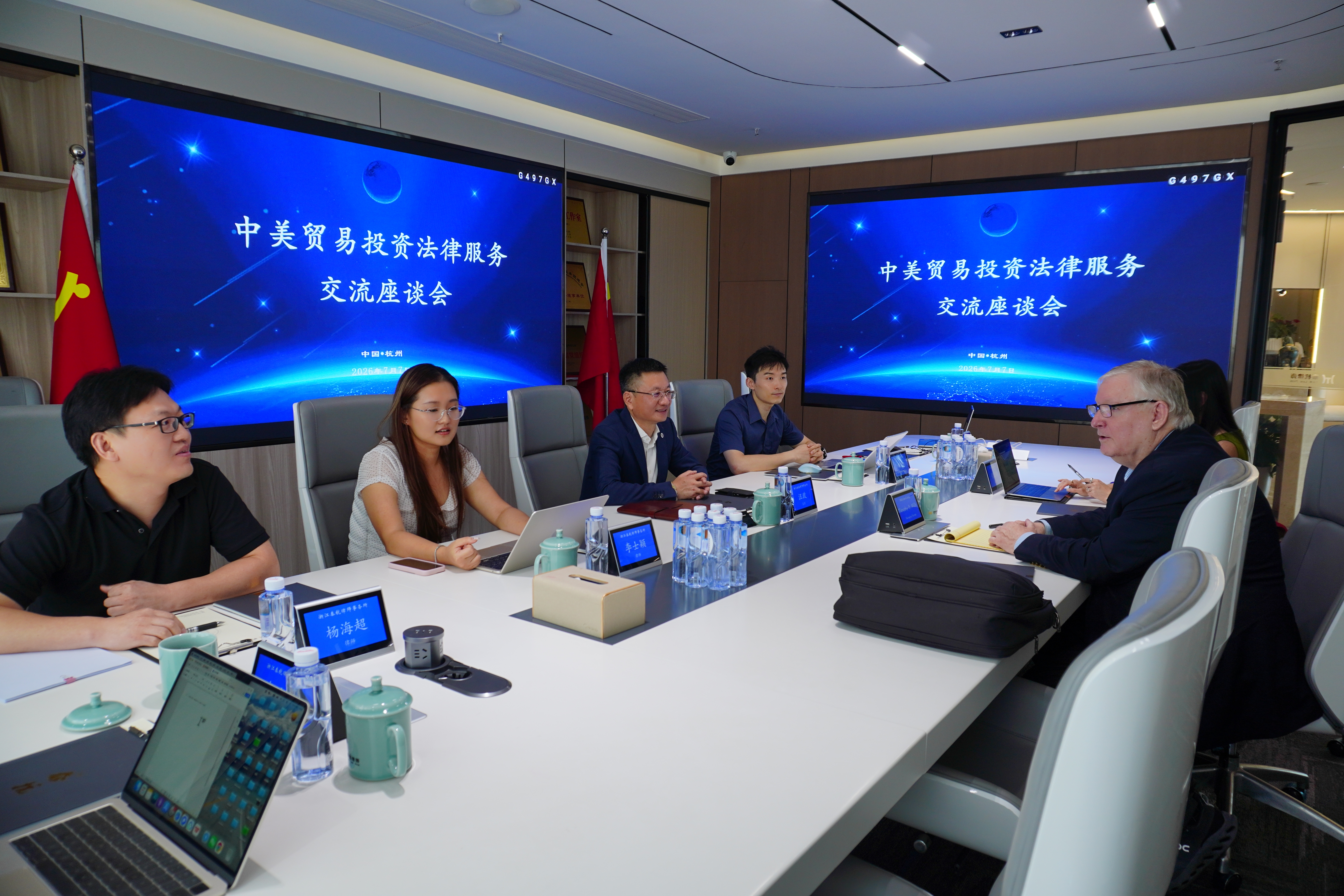
A Reunion by the Qiantang River After Seven Years
Dr. Timothy Mills is a seasoned international attorney with over forty years of experience in cross-border commercial disputes, white-collar criminal defense, and economic sanctions matters. Dr. Wang Zheng, a Ph.D. in Law from China University of Political Science and Law and a first-class (senior) attorney, brings thirty years of extensive practice in cross-border M&A, international trade remedies, and legal technology ethics.
In 2019, the two attorneys held in-depth discussions on the then-escalating U.S.-China trade frictions at the United Nations Secretariat Building in New York. Seven years later, Dr. Mills visited T&H’s headquarters in Hangzhou, where both sides reached broad consensus on key issues in cross-border legal services between the two countries.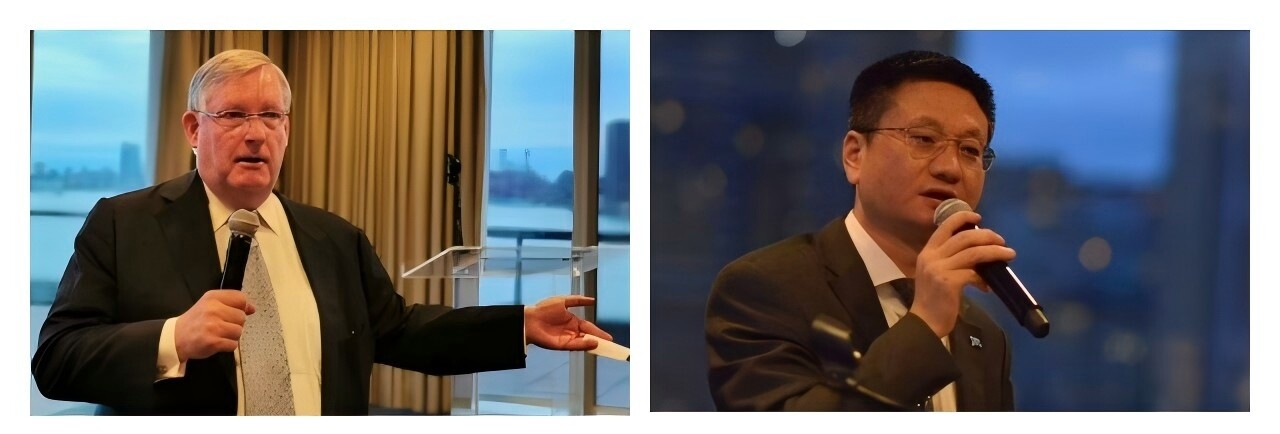
April 29, 2019, Secretariat Building, United Nations Headquarters, New York
Core Focus: Judicial Assistance Between China and the U.S.
The symposium immediately delved into three priority areas:
1. Recognition and Enforcement of Chinese Court Judgments in the U.S.
China and the U.S. have not concluded a bilateral judicial assistance treaty on the recognition and enforcement of civil and commercial judgments, nor are they both parties to the Hague Convention on the Recognition and Enforcement of Foreign Judgments in Civil or Commercial Matters. In recent years, however, Chinese courts have adopted a more flexible interpretation of the reciprocity principle, expanding from de facto reciprocity to de jure reciprocity. For instance, in 2024, the Wuxi Intermediate People’s Court recognized a California Superior Court judgment of over USD 73 million, finding that a de facto reciprocal relationship exists between the two countries. In the same year, the Shanghai Financial Court recognized a Delaware Court of Chancery judgment of over USD 44 million in a securities fraud case – the first Chinese case to apply the de jure reciprocity standard in the financial sector. On the U.S. side, approximately 30 states have adopted the Uniform Foreign-Country Money Judgments Recognition Act (UFMJRA), and New York State further amended its adoption in 2021 to shift the burden of proof regarding non-recognizability to the judgment debtor. Moreover, since the Convention Abolishing the Requirement of Legalisation for Foreign Public Documents (the Apostille Convention) took effect for China in November 2023, Chinese judgments need only be accompanied by an apostille certificate, with consular legalization no longer required. Following thorough discussion, the parties agreed on concrete procedural pathways for enforcing Chinese court judgments and mediated settlements in the U.S., with particular emphasis on effective cooperation in tracing and recovering overseas assets of debtors who have filed for bankruptcy domestically or transferred assets abroad to evade obligations.
2. Recovery of Accounts Receivable Owed by U.S. Counterparties to Chinese Enterprises
Thanks to the Convention on the Recognition and Enforcement of Foreign Arbitral Awards (the New York Convention), arbitral awards from CIETAC, BAC, and other Chinese arbitration institutions have been repeatedly recognized and enforced by U.S. courts. Dr. Mills noted that in 2025 alone, multiple CIETAC awards were successfully enforced in the U.S. District Court for the Central District of California. The discussions also focused on liability chains and recovery strategies following defaults on onshore guarantee–offshore loan structures, as well as collaborative models between Chinese and U.S. counsel. Dr. Wang Zheng emphasized that enforcement of arbitral awards in the U.S. is considerably more straightforward than that of court judgments, making the design of arbitration clauses in contracts critical. Dr. Mills, in turn, analyzed the time and cost implications of different enforcement venues, given the procedural variations across U.S. states.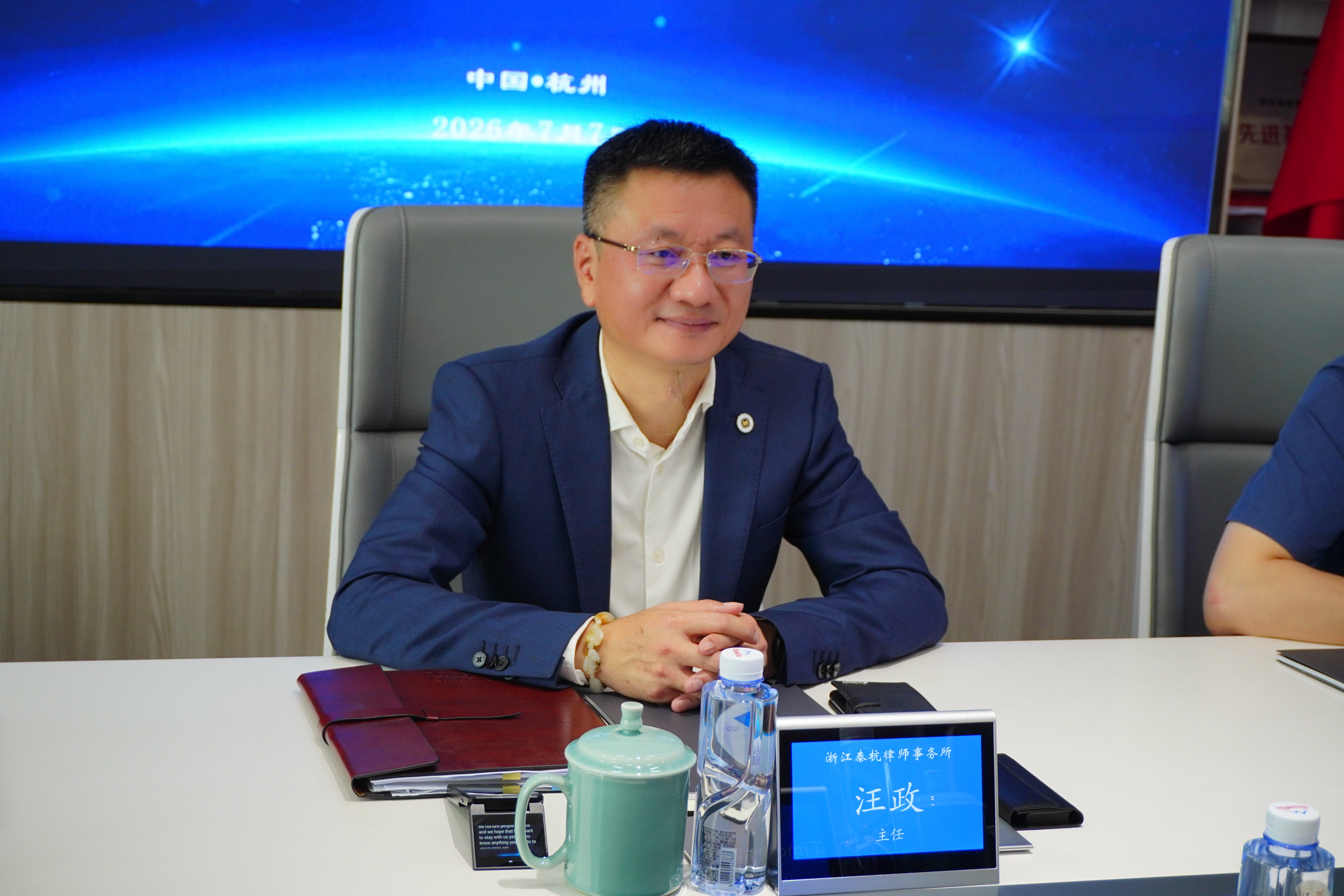
3. Trade Remedy Protection
Since 2025, the U.S. has imposed a 10% baseline tariff on global imports and escalated punitive tariffs on Chinese goods to as high as 125%. With anti-dumping and countervailing duty investigations intensifying, Dr. Wang Zheng – a member of the Zhejiang Provincial Expert Advisory Committee on Trade Remedies – joined Dr. Mills in exploring key concerns for Chinese companies, including contractual performance and force majeure issues under tariff barriers, corporate compliance system building, and litigation strategies against SDN (Specially Designated Nationals) designations.
“Old San Francisco Lawyer” Action Plan Officially Underway
The summit’s highlight was the joint launch of the “Old San Francisco Lawyer” Action Plan by Drs. Mills and Wang. This initiative aims to provide comprehensive and rapid legal services to Chinese companies affected by U.S. tariff sanctions, cross-border accounts receivable collection, onshore guarantee–offshore loan defaults, and debt recovery from emigrant debtors who have sought to evade repayment. Leveraging their respective expertise in cross-border litigation, enforcement of arbitral awards, and international trade compliance, both firms will establish regular communication channels and information-sharing mechanisms.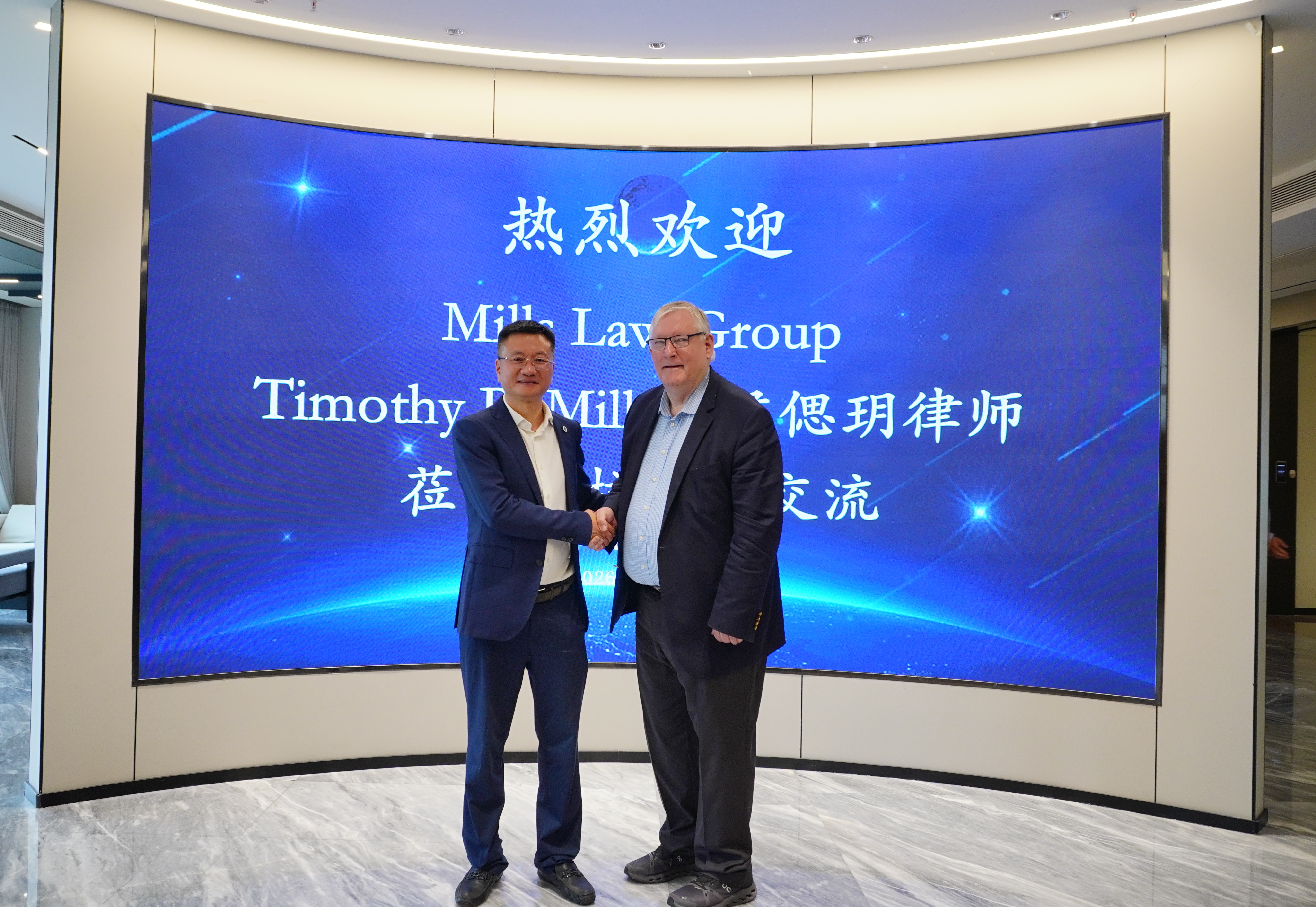
Dr. Mills remarked, “Although U.S.-China economic relations face challenges, professional collaboration among legal practitioners can provide a solid legal foundation for businesses operating across borders.” Dr. Wang Zheng added, “The ‘Old San Francisco Lawyer’ initiative represents an innovative step in China-U.S. legal service cooperation, and will offer robust support for Chinese enterprises as they go global.”